How AI Personalization in eCommerce Platforms Drives Revenue Growth & Customer Loyalty

Introduction
Think about the last time you shopped online, and the store seemed to understand what you wanted. The products on the homepage felt relevant, the search results matched your taste, and the follow‑up email had an offer that made sense. This is not a coincidence. It is AI personalization shaping the shopping experience.
Today’s online shoppers expect stores to recognize their needs and buying habits. They do not want to browse through thousands of irrelevant products. Retailers that meet these expectations create smoother shopping journeys, while those that do not risk losing customers to more personalized brands.
AI personalization is changing how eCommerce businesses grow. By showing the right products and messages at the right time, it helps increase conversions, improve engagement, and build long‑term customer loyalty. For many retailers, it has become a key advantage in staying competitive and driving revenue.
What is AI Personalization in eCommerce?
AI personalization in eCommerce means using artificial intelligence to tailor the shopping experience for each customer based on their behavior, preferences, and past activity.
Traditional personalization was rule based. Someone manually created rules such as “if a customer buys shoes, show them socks.” This approach worked in simple cases but could not adapt quickly or handle large amounts of customer data. AI-driven personalization goes further by learning from customer behavior, finding patterns, and updating what shoppers see automatically as they browse.
A more advanced form of this approach is hyper‑personalization. Here, every interaction such as the homepage, search results, email content, pricing, and promotions is adjusted for everyone. For example, a customer browsing running shoes on weekends may see a very different experience from someone shopping for formal wear during the week.
Common examples include product recommendations based on browsing and purchase history, search results ranked by individual relevance, pricing adjustments, personalized emails, and chatbots that respond using customer history.
How AI Personalization Works in eCommerce Platforms
Data Collection & Behavioral Tracking
Personalization starts with tracking how customers interact with the store. This includes browsing behavior, clicks, search terms, items added or removed from the cart, and purchase history.
Over time, this data shows patterns in customer interests and buying habits. Even first‑time or anonymous visitors generate enough activity for the platform to suggest relevant products during the same visit.
Machine Learning & Predictive Analytics
The collected data is analyzed to identify patterns in customer behavior. For example, customers who buy a specific product may return within a set time to purchase related items.
This helps predict customer preferences and buying intent. Instead of reacting only to what shoppers do, the platform can suggest what they are likely to want next.
Real-Time Personalization Engines
The final layer is delivery. Personalization is delivered as customers browse the store. The homepage, product listings, search results, recommendations, and offers can change based on who is viewing the site at that moment.
These updates happen instantly and allow customers to see content and product suggestions that match their current interests.
Key AI Personalization Use Cases in eCommerce
Product Recommendations
This is the most common use case. Recommendation systems look at what a customer has viewed, searched for, and purchased, then suggest products they are likely to want. For example, a shopper buying running shoes may see socks or fitness trackers that are often purchased together. This reduces search time and increases the average order value.
Personalized Search & Discovery
Standard search shows the same results to everyone. Personalized search adjusts results based on past purchases, size preferences, and price range. For instance, two customers searching for a winter jacket may see different styles or prices. This helps shoppers find suitable products faster and improves conversion rates.
Dynamic Pricing Optimization
Pricing can change based on demand, customer type, and timing. A repeat customer may receive a loyalty offer, while a first-time visitor sees standard pricing. This approach helps match price expectations with buying intent, which improves purchase completion without relying on heavy discounts.
AI Chatbots & Virtual Assistants
AI-driven Chatbots help customers choose products, track orders, find alternatives, and resolve questions after purchase. For example, if an item is out of stock, the chatbot can suggest similar options immediately. This keeps customers engaged and reduces lost sales.
Personalized Email & Marketing Campaigns
Instead of sending the same message to everyone, emails are tailored based on customer activity. A shopper who leaves items in their cart may receive a follow-up showing those exact products at a time they are more likely to open it. This improves click-through rates and helps recover abandoned carts
Key Benefits of AI Personalization in eCommerce
Higher Conversion Rates
When customers see products that match their interests, they are more likely to buy them. Personalized product pages, search results, and recommendations reduce browsing time and help customers reach a decision faster. This directly increases conversion rates.
Increased Average Order Value (AOV)
Personalization helps surface products that are often bought together at the right moment. For example, a customer buying a camera may see related items like lenses or memory cards based on past purchase patterns. This raises the value of each order without forcing additional sales.
Reduced Cart Abandonment
Cart abandonment often happens when customers hesitate or get distracted. Personalized reminders, follow‑ups linked to the exact items left behind, and relevant offers encourage customers to return. These actions improve cart recovery rates and complete purchases.
Improved Customer Experience
Showing fewer irrelevant products helps customers find what they need faster. This reduces frustration and improves satisfaction. Higher satisfaction leads to better reviews, repeat visits, and higher customer lifetime value.
Stronger Customer Loyalty & Retention
Consistent relevance builds trust over time. When customers feel their preferences are understood, they return more often and make repeat purchases. Retained customers usually spend more per visit and cost less to convert, which supports long‑term revenue growth.
Better Marketing ROI
Personalization improves marketing results by reaching customers more likely to respond. Campaigns based on real behavior perform better than broad messaging. This improves response rates and increases returns from marketing investments.
How AI Personalization Drives Revenue Growth
Conversion Optimization Through Relevance
The conversion rate has a direct impact on revenue. Even a small improvement, such as moving from 2% to 3%, can increase sales significantly without increasing traffic. Personalization improves conversions by showing each visitor products and content that match their interests. When shoppers see relevant options immediately, they make purchase decisions faster.
Upselling & Cross-Selling with AI
Product suggestions help increase order value by showing relevant upgrades or add‑ons at the right time. For example, a customer adding a mid‑range laptop may see a higher‑spec model and a compatible laptop bag. These suggestions are based on real buying patterns from similar customers. This leads to more items per order and higher transaction value without pressuring the buyer.
Data-Driven Decision Making
Personalization also improves revenue by guiding better business decisions. Retailers can see which products sell well together, which customer groups spend more, and which offers lead to purchases. This allows teams to focus budget and effort on areas that generate the highest returns, improving overall profitability.
Want to use customer data to increase conversions and repeat purchases? Our eCommerce development services help businesses implement personalization that drives real results. See how Digital Factory 24 can help
How AI Personalization Improves Customer Loyalty
Personalized Customer Journeys
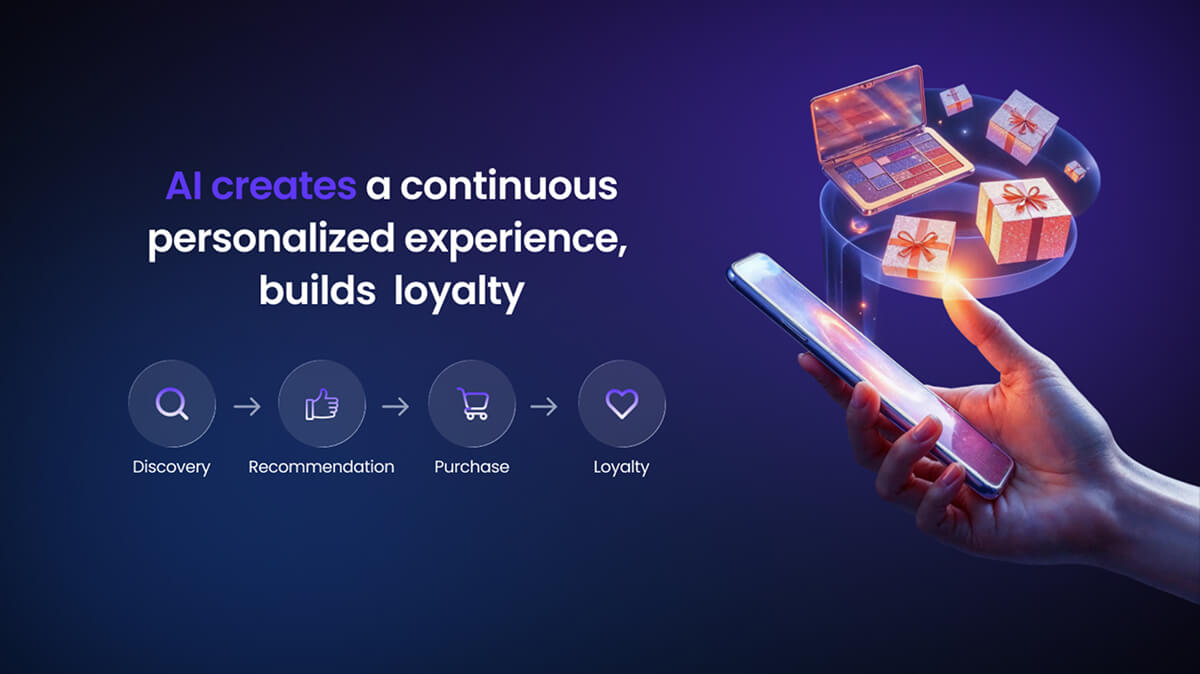
Every customer follows a journey, from discovering a brand to becoming a repeat buyer. AI Personalization shapes this journey for everyone. A first‑time visitor sees a guided introduction that eases them into the catalogue. A returning customer finds products related to their past activity. Loyal buyers receive early access to items that match their interests. These customized journeys encourage customers to stay engaged over time.
Enhanced User Experience
Customer loyalty grows when shopping experiences feel familiar and easy. When customers consistently find relevant products and content, they are less likely to switch to another store. Personalization helps maintain this consistency even as product ranges and customer numbers increase, building confidence and trust with each visit.
Repeat Purchases & Retention
AI Personalization increases repeat buying by keeping customers engaged between visits. Products restock alerts, order reminders, and loyalty offers encourage customers to return when they are most likely to buy. Over time, this regular engagement strengthens the relationship between the customer and the brand.
Omnichannel Personalization
Customers often move between channels such as websites, mobile apps, email, and social media. Personalization keeps their experience consistent across these touchpoints. When customers can pick up where they left off on another channel, the brand feels reliable and attentive, which supports long‑term trust and loyalty
Implementing AI Personalization in eCommerce Platforms
Choosing the Right AI Tools & Technologies
The first step is choosing tools that match your business size and goals. Many eCommerce platforms already support AI-based personalization. Popular options include Shopify, Salesforce Commerce Cloud, and Magento with AI extensions.
For businesses with custom platforms, adding a dedicated personalization tool such as Dynamic Yield, Nosto, or a custom-built solution can provide more control. The right choice depends on the number of products you sell, your customer base, and how much flexibility you need.
Integration with Existing Platforms
AI personalization works only when systems are connected properly. Your eCommerce platform, customer database, inventory system, and marketing tools need to share data. When data is scattered across systems, personalization becomes limited and inaccurate.
When systems work together, customer actions, purchase history, and stock information can shape the experience across the website, email, and other touchpoints.
Scaling Personalization Across Channels
It is best to start with areas that deliver fast results, such as on‑site product recommendations and personalized emails. Once these are working well, expand to search results, ads, mobile notifications, and other channels.
Scaling should happen step by step, with a focus on improving results rather than adding complexity too quickly.
Challenges & Considerations
Data Privacy & Compliance
Using customer data responsibly is essential. Businesses must follow laws such as GDPR and India’s DPDP Act. This means clearly telling customers what data is collected, allowing them to manage their preferences, and keeping their data safe. Handling data with care helps build long-term trust.
Integration Complexity
Adding AI personalization to existing systems can be difficult. Older platforms may not easily connect, and data may sit in different places. These challenges take time and effort to fix them. Working with the right technical support can reduce complexity and prevent future issues.
Cost vs ROI
AI personalization requires investment in tools, setup, and maintenance. The results are not instant. The best approach is to start small, focus on areas with clear business impact, and expand gradually. This lowers risk and makes the value easier to measure.
Avoiding Over-Personalization
Personalization can cross the line if it feels intrusive. Customers may feel uncomfortable if recommendations appear too personal or aggressive. The goal is to be helpful, not overwhelming. Giving users clear controls and easy opt-outs help maintain trust.
Future Trends in AI Personalization for eCommerce
In the next few years, AI personalization will go beyond what most online stores offer today.
AI shopping assistants
Customers will describe what they want in simple words and receive product suggestions that match their needs, similar to getting help from a store associate.
Predictive personalization
Online stores will suggest products or send reminders before customers actively search, based on past buying patterns.
Hyper-personalization
Shopping experiences will differ for each customer, including prices, offers, product details, and page layouts, based on what works best for them.
Voice and conversational commerce
More customers will shop using voice assistants or chat interfaces, with recommendations guided by past purchases and preferences.
Conclusion
AI personalization in eCommerce is no longer something businesses can ignore. It has become a clear way to stay competitive in a crowded market. Retailers that use it well see better conversion rates, higher order values, and stronger customer retention. Retailers that skip personalization struggle to keep customers who expect relevant experiences.
The tools and data already exist, and customer expectations are clear. What sets successful businesses apart is how effectively they use personalization to grow revenue and build long‑term customer loyalty.
Looking to implement AI-driven personalization in your online store? Explore our AI-powered eCommerce development services to see how we build scalable, high-converting commerce platforms. You can also explore our AI solutions, DevOps services, and digital transformation offerings to create intelligent, automated, and future-ready business ecosystems.
Frequently Asked Questions